Retirees move to the Treasure Coast for the sunshine, but the first Florida summer catches almost everyone off guard. Moving day makes it worse, because the body works harder than usual in dangerous heat. This guide gives older adults and their families a clear, medically grounded plan to move safely, avoid a heat emergency, and protect belongings from Florida heat and humidity.
TLDR: Florida summer heat hits older adults harder because the body senses heat and thirst less with age. Learn the warning signs of heat exhaustion, follow a hydration schedule instead of drinking only when thirsty, and let professional movers handle the lifting. Hiring a full-service crew is a heat-safety decision, not just a convenience. Read on for the full plan.
You found the perfect place on the Treasure Coast. Maybe it is a condo in Stuart or a home in Port St. Lucie. Now comes moving day, and it lands in the hottest, most dangerous stretch of the Florida year.
Most retirees never get a warning about this. Family vacations here never felt like summer moving day feels. The heat is different when you are carrying boxes, climbing stairs, and working for hours outdoors.
This is the guide nobody hands seniors before they move. You will learn why heat is riskier as you age, the exact warning signs to watch for, and how to time the day around the heat. You will also learn how to keep hydrated and protect a lifetime of belongings. By the end, you will have a safe, practical plan.
Why Florida Summer Heat Hits Retirees Harder
Summer moving tips for seniors in Florida start with one medical fact. Older bodies handle heat differently, and that changes everything about moving day.
The CDC guidance on extreme heat reports that more than 700 people die from extreme heat each year in the United States. Older adults sit among the highest-risk groups. Adults aged 65 and older sense temperature changes less effectively and respond more slowly.
Thirst also fades with age. By 65, the body’s natural thirst signal weakens and kidney function declines. That means many seniors do not feel thirsty until they are already dehydrated.
Medications add another layer of risk. Certain blood pressure drugs and diuretics intensify the body’s response to heat. People with heart disease or high blood pressure face even greater danger during hot, active days.
Local conditions make this urgent. Treasure Coast summers regularly push the heat index past 100°F, and St. Lucie County sees repeated heat advisories through the hottest months. Moving day here is not a mild-weather event.
Know the Warning Signs Before Moving Day
Heat safety for retirees in Florida depends on catching trouble early. Heat exhaustion and heat stroke look similar at first, but one is a warning sign and the other is a 911 emergency. Every mover and every family member on moving day should know the difference.
| Condition | Warning Signs | What To Do | Urgency Level |
|---|---|---|---|
| Heat exhaustion | Heavy sweating, weakness, cool pale clammy skin, fast weak pulse, nausea, dizziness, headache, muscle cramps | Move to air conditioning, loosen clothing, apply cool wet cloths, sip water | Warning, act fast |
| Heat stroke | Body temp 103°F or higher, hot red dry skin, rapid strong pulse, confusion, possible loss of consciousness | Call 911 immediately, move to shade or AC, cool the body | Medical emergency |
If you see any heat stroke sign, do not wait. Call 911 immediately and move the person into shade or air conditioning while help arrives.
The National Weather Service heat illness guide lists the same first aid steps. For heat exhaustion, move to air conditioning, loosen clothing, apply cool wet cloths, and give sips of water. Seek medical care if symptoms last more than an hour or get worse.
Pro tip: Assign one person on moving day to check on any senior at least twice, even if that senior feels fine. Waiting for someone to say they feel sick is often too late.
Timing the Move Around the Heat
The best time of day to move in Florida heat is early morning. Start loading by 7 or 8 AM so the heaviest work finishes before the peak afternoon heat sets in.
Avoid hard outdoor work during the hottest window, generally early to mid afternoon. Plan the day so lifting and stair work happen first, while the air is cooler.
Build breaks into the schedule, not “when someone feels hot.” Schedule air conditioning breaks like you schedule the truck arrival. This matters more for seniors, whose bodies signal overheating too late.
For retirees, the role should be directing, not hauling. Let the crew move the boxes while you supervise from a cool spot. Professional crews on the Treasure Coast already plan early starts around summer heat, as our Treasure Coast heat and humidity moving guide explains.
Hydration That Actually Works for Older Adults
Hydration for seniors on moving day should follow a schedule, not a feeling. Because thirst signals weaken with age, waiting until you feel thirsty often means you are already behind.
The table below turns that into a simple plan. Match each time block to what you drink, what to skip, and one quick note.
| Time Block | What to Drink | What to Avoid | Notes |
|---|---|---|---|
| Morning, pre-move | Water, light electrolyte drink | Coffee, alcohol | Start hydrated before work begins |
| Mid-morning break | Small sips of water | Sugary sodas | Rest in air conditioning |
| Midday, lunch | Water, low-sugar electrolytes | Alcohol | Eat something light and salty |
| Afternoon break | Cool water, sponge or cool cloth | Caffeine | Watch for early warning signs |
| Evening | Water | Excess alcohol | Rehydrate after the day ends |
Build these check-ins into the moving day timeline the same way you would schedule the truck arrival. A phone alarm every hour works well.
Small, frequent sips beat large amounts at once. Cool showers or sponge baths during breaks also help regulate body temperature. The National Institute on Aging hot weather safety guidance stresses that older adults should not rely on thirst as their signal to drink.
Important: Electrolyte drinks can help, but watch the sugar. Anyone on a sodium-restricted diet, or with kidney or heart conditions, should check hydration choices with their physician first.
Protecting Belongings From Florida Heat and Humidity
Retirees often move heirlooms, photos, and furniture gathered over decades. Florida heat and humidity can damage these items during a move if you are not careful.
Electronics, photographs, artwork, and important documents should never sit in a hot truck for hours. Move them separately in an air-conditioned vehicle when you can. Heat and moisture ruin sensitive items fast.
Wood and leather furniture can warp or sweat in high humidity. Use breathable moving pads instead of wrapping plastic directly against the surface. Plastic traps moisture against the wood.
Medications should travel with the person, not in the moving truck. Never leave them in a hot car, where heat can damage them within minutes.
Pro tip: Load heat-sensitive items last onto the truck and unload them first. Less time in the heat means less risk of damage.
What a Heat-Smart Moving Day Looks Like With Professional Movers
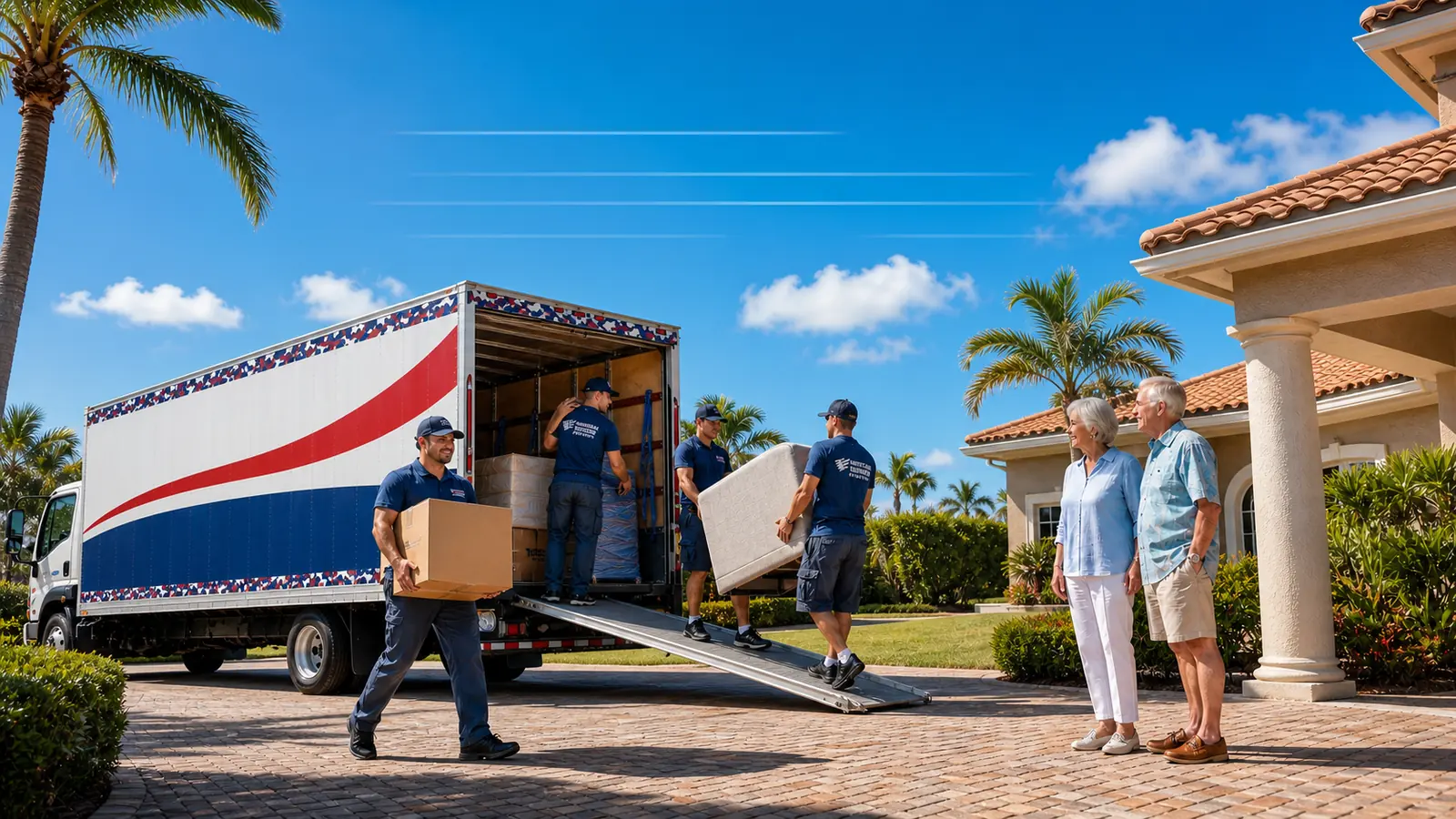
Here is where professional movers for seniors in Florida change the math. A full-service crew means the retiree does not lift a single box, which removes the biggest heat-exposure risk of the day.
Good crews already build early starts and hydration breaks into their schedule. They watch for warning signs because they work in this heat every summer. Experience matters when the heat index climbs past 100°F.
Andersen Moving has handled senior moves across the Treasure Coast since 2018. The crew paces the job, recognizes early heat symptoms, and keeps older clients out of the heavy work. That local knowledge covers Port St. Lucie moving services, Stuart, Jensen Beach, and Jupiter.
Vetting a mover also protects you before the move. Summer is peak season, and moving complaints rise with demand. Learn how to spot moving scams in Florida and always verify a company’s Florida registration through FDACS before you book.
Real-World Examples From the Treasure Coast
These illustrative scenarios show how the same move can go two very different ways depending on planning.
Illustrative scenario: A 72-year-old retiree in Port St. Lucie tried to help load a rental truck on a July afternoon with no hydration plan. By early afternoon he showed heat exhaustion signs: heavy sweating, dizziness, and nausea. His family moved him into air conditioning right away and he recovered within the hour. The move still lost a full day. An early start and a hands-off role would have prevented the scare entirely.
Illustrative scenario: An adult daughter in Ohio arranged a full-service move for her 78-year-old mother into a Stuart condo. She requested a 7 AM start and confirmed the crew would handle all the lifting. The move finished before noon, well ahead of peak heat. Her mother stayed inside in air conditioning the whole time, with no strain and no heat exposure.
Illustrative scenario: A retired couple moving into a Jensen Beach condo had decades of photos, an antique dresser, and important documents. The crew packed electronics and photo albums into an air-conditioned vehicle instead of the truck. They used breathable pads on the antique wood. Nothing warped, despite a 95°F day.
Frequently Asked Questions
Q: What temperature is too hot to move in Florida? A: There is no single legal cutoff, but heat advisories usually start when the heat index hits 105°F or higher. On advisory days, schedule the heaviest work before 11 AM and add more frequent breaks. Older adults should treat any triple-digit heat index as a reason to hand off the physical work. When in doubt, start earlier and rest more often.
Q: What are the first signs of heat exhaustion in an older adult? A: Watch for heavy sweating, weakness, cool pale clammy skin, a fast weak pulse, dizziness, headache, nausea, and muscle cramps. Move the person into air conditioning the moment these appear. Loosen clothing and give small sips of water. Seek medical care if symptoms last more than an hour or get worse.
Q: How much water should a senior drink on moving day? A: There is no universal number, but the key is small, frequent sips all day rather than large amounts at once. Thirst signals weaken with age, so do not wait to feel thirsty. Anyone on a fluid-restricted diet should follow their physician’s specific guidance. A cool electrolyte drink can help during breaks.
Q: Should seniors help with the physical moving on hot days? A: It is safest for seniors to direct and supervise rather than lift or carry, especially during peak heat. Professional movers are trained to handle the heavy labor, which removes the biggest heat-exposure risk. The senior’s job is to point the crew in the right direction from a cool spot. That single choice prevents most moving-day heat emergencies.
Q: What time of day is safest to move in Florida summer? A: Early morning is safest. A start around 7 or 8 AM lets the heaviest work finish before the worst afternoon heat arrives. Afternoon thunderstorms are also common in Florida summers, so an early finish avoids both heat and rain. Book crews that offer early start windows.
Q: How does Florida humidity affect furniture during a move? A: High humidity can make wood swell or warp and cause leather to sweat when wrapped tightly in plastic. Breathable moving pads allow airflow and lower the damage risk. Keep sensitive wood and leather out of sealed plastic during transport. Unload heat-sensitive pieces first to limit their time in the heat.
Q: What medications make heat more dangerous for seniors? A: Certain blood pressure medications and diuretics can intensify the body’s response to heat. Anyone taking these should be watched closely on moving day and should never skip hydration breaks. Keep medications with the person and out of hot vehicles. Ask a physician about heat risks tied to specific prescriptions.
Q: When should you call 911 instead of just cooling someone down? A: Call 911 immediately if body temperature reaches 103°F or higher, the skin turns hot red and dry, confusion sets in, or the person loses consciousness. These are heat stroke signs and a true medical emergency. While waiting, move the person to shade or air conditioning and cool the body. Do not wait to see if it passes.
Q: Can moving companies help make a senior’s move safer in the heat? A: Yes. A full-service crew that handles all the lifting, starts early, and builds in hydration breaks sharply reduces heat exposure and physical strain. That makes hiring professionals a safety decision, not just a convenience. Ask crews how they plan around summer heat. A team that answers clearly knows Florida moving day.
Q: How do I make sure I am hiring a reputable mover for my parents’ move? A: Verify the company’s Florida registration through the FDACS moving company system before you book. Summer is peak season, when scams and complaints rise. Get a written estimate, check reviews, and avoid any mover demanding a large cash deposit. A registered, insured, local crew is your safest bet.
Q: We are moving into Jupiter this summer. Does the same plan apply? A: Yes. The heat plan is the same across the Treasure Coast, including Jupiter and its gated communities. Start early, hydrate on a schedule, and let the crew lift. Gated and waterfront communities may also need access coordination, so confirm entry rules ahead of time.
Key Takeaways
Heat is riskier with age
- Older bodies sense heat and thirst less effectively
- Some senior medications intensify heat sensitivity
Know the warning signs
- Heat exhaustion is a warning; heat stroke is a 911 emergency
- Body temp of 103°F, confusion, or hot dry skin means call 911
Time the day around the heat
- Start by 7 to 8 AM to finish before peak afternoon heat
- Schedule air conditioning breaks in advance
Hydrate on a schedule
- Small frequent sips beat large amounts at once
- Do not wait to feel thirsty; check with the physician about restrictions
Protect belongings from heat and humidity
- Move electronics, photos, and documents in an air-conditioned vehicle
- Use breathable pads on wood and leather, not tight plastic
Professional movers reduce the risk
- A full-service crew keeps seniors out of the heavy lifting
- Verify FDACS registration before booking
Ready to Plan a Safe Summer Move?
You now understand the heat risks, the warning signs, and the steps that keep an older adult safe on moving day. The next step is a crew that treats a summer move as the safety event it is.
Andersen Moving has helped Treasure Coast families relocate safely since 2018. We plan early starts, pace the work around the heat, and handle all the lifting so seniors stay cool and out of harm’s way. Our crews are registered and insured under Fla. Mover Reg. No. 3030, backed by a 5-star Google rating.
Here is what we offer:
- Free estimate to plan your summer move and budget
- Full-service crews that handle every box, so seniors never lift
- Early start scheduling built around Florida heat
- Careful handling of heirlooms, antiques, and sensitive items
- Local knowledge of Treasure Coast communities and access rules
- Registered, insured, owner-operated service
Ready to move forward? Contact us today:
Call: 772-777-6364
Website: andersenmovingfl.com
We serve Port St. Lucie, Stuart, Jensen Beach, Jupiter, and all Treasure Coast communities. Schedule your free estimate and let us make your summer move safe and stress-free.
Andersen Moving | Licensed, Insured Movers Serving Treasure Coast Since 2018